Category · Performance
Every editorial entry from the Nashville Biohacking journal tagged under Performance.
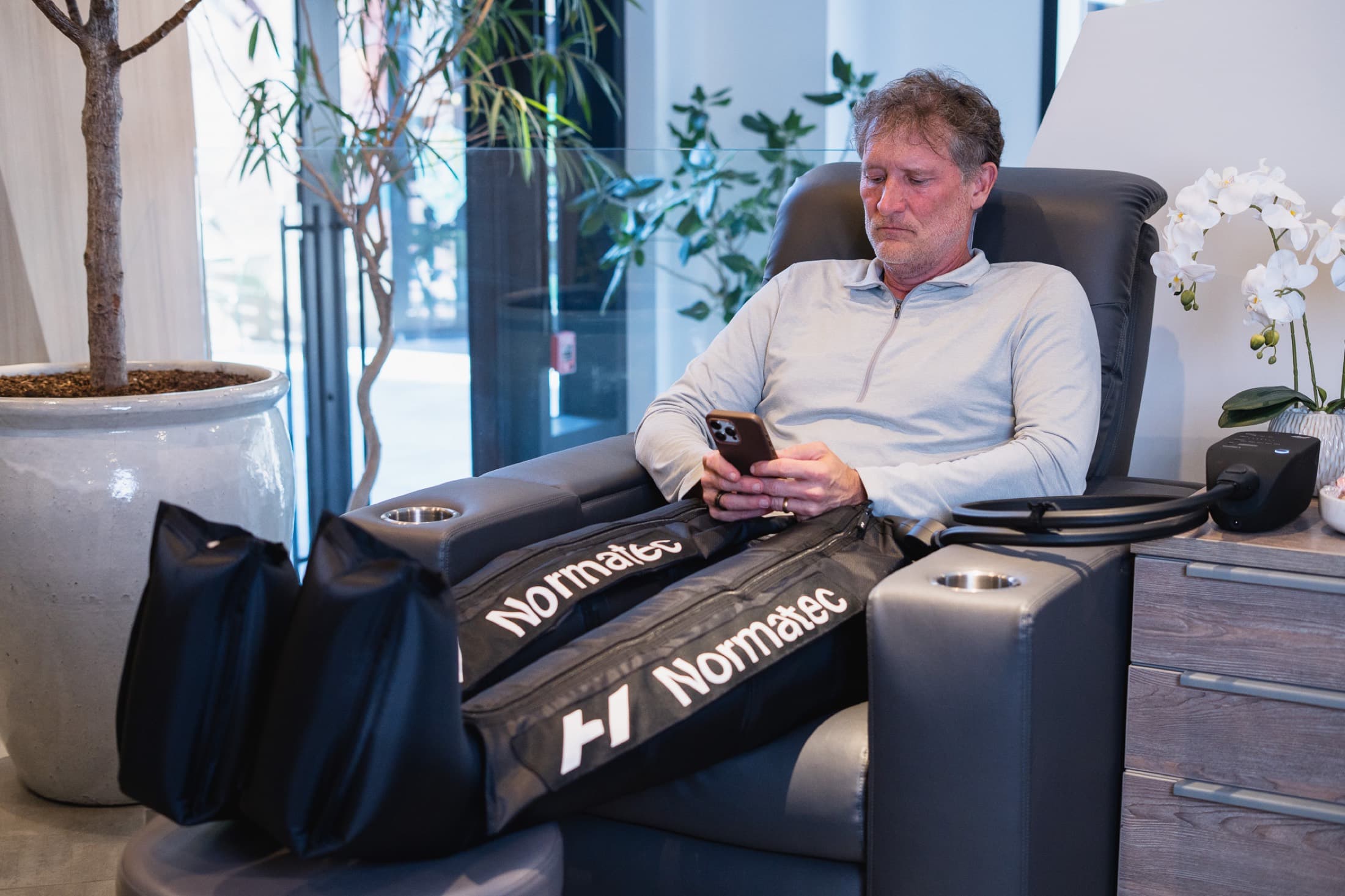
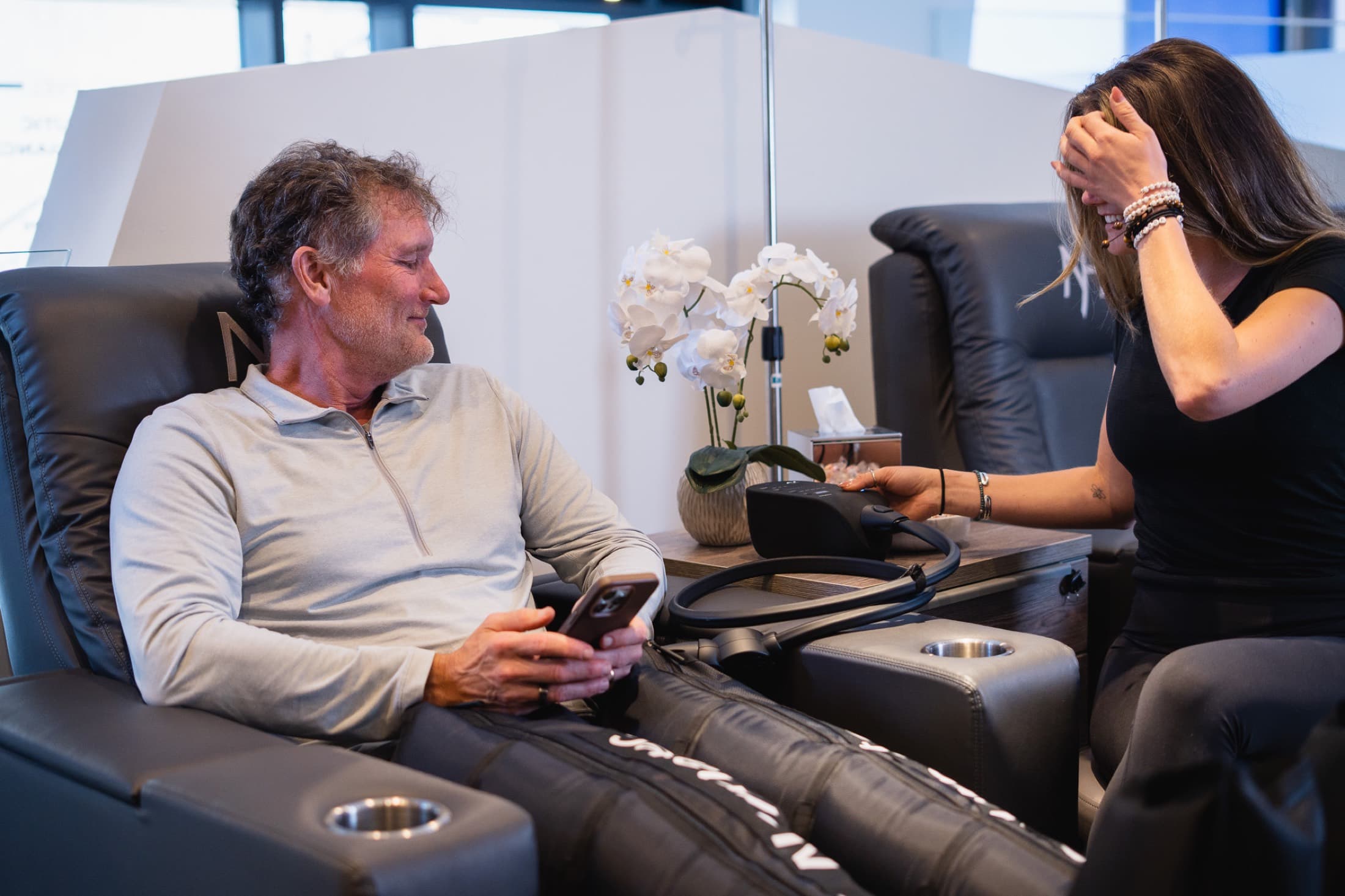
Compression recovery isn't simply about squeezing tired muscles. It's about giving the body's fluid systems the directional cue they were always designed to follow.
Compression therapy isn't simply about sore muscles. It's a conversation with the body's own fluid intelligence — one that reveals how recovery is actively constructed, not passively awaited.
Compression therapy does more than squeeze tired muscles — it speaks to the body in the language of movement, teaching circulation to do what stillness cannot.
Compression therapy's benefits run deeper than soreness relief — they reach into the lymphatic system, where the body quietly manages waste, inflammation, and repair.
Recovery isn't passive. Peptides are revealing just how actively the body rehearses and directs its own repair — if we give it the right signals.
How recovery peptides like BPC-157 and TB-500 are being studied for their role in tendon, ligament, and soft tissue repair.
Recovery isn't just rest — it's a molecular conversation. Here's what peptide science is teaching us about how the body actually rebuilds itself.
Recovery isn't a passive pause between efforts — it's a structured biological negotiation, and compression may be one of the clearest languages the body already speaks.
Peptide therapy isn't a shortcut to recovery — it's a translation of the body's own repair language. Here's what the science reveals about how short amino acid chains direct healing with uncommon precision.
Recovery is more than rest — it's a cascade of molecular signals the body sends itself. Understanding that language changes everything about how we train and heal.
Recovery isn't passive — it's a structured biological process. Understanding what the body does between efforts may matter as much as the efforts themselves.
Recovery isn't passive. Beneath every hard session, a sophisticated molecular negotiation determines what gets rebuilt — and what gets left behind.
Recovery isn't passive. The hours after intense effort are an active biological negotiation — and compression may be one of the quietest, most elegant ways to support it.
Recovery isn't passive — it's a construction project. Here's what happens inside the body when pressure and time are given the space to work together.
Recovery isn't passive — it's an active negotiation between the tissues, the nervous system, and time. Here's what that conversation actually sounds like.
What actually happens inside tissue during the hours after hard work — and why the quality of that interval may matter as much as the effort itself.
Peptides are the body's own signaling language — and understanding how they orchestrate repair may be one of the most important frontiers in recovery science.
How sequential pneumatic compression supports venous return and lymphatic drainage to ease soreness and speed recovery after training.
Compression isn't just mechanical pressure — it's a biological conversation. Here's what the body is actually hearing when we apply it deliberately.
What happens inside muscle and connective tissue after hard training, and how sleep, timing, and compression support repair.
Compression isn't just about squeezing tired muscles — it's a conversation with the circulatory and lymphatic systems, written in the language of pressure and time.
Rest is the absence of effort. Recovery is a process — and confusing the two is why so many people feel perpetually behind.