Medical Aesthetics in Nashville: Skin Health, Treatments, Where to Go
A guide to medical aesthetics in Nashville: how skin reflects overall health, what treatments like microneedling, lasers, and injectables do, and where to get aesthetic care held to a medical standard.
Medical aesthetics treats the skin as what it actually is: the visible edge of your overall health, not a surface to be painted over. Done well, it combines advanced treatments like lasers, microneedling, biostimulators, and refined injectables with a genuine understanding of skin biology. This guide explains how skin reflects what is happening underneath, what the common treatments do, how to think about results honestly, and where to get aesthetic care held to a medical standard in Nashville.
Why is skin considered a reflection of overall health?
Skin is the largest organ in the body, and it is the one you can see. What shows up on its surface, tone, texture, firmness, the way it recovers from a blemish or a long night, is downstream of things happening throughout your system: hydration, inflammation, hormones, sleep, nutrition, sun exposure accumulated over decades, and the slow decline of collagen that begins earlier than most people expect.
That is why the most durable approach to skin does not stop at the surface. A treatment can smooth texture or stimulate collagen, and that is worthwhile, but skin that is inflamed, poorly nourished, or hormonally out of balance will keep telling on itself. The best results tend to come when aesthetic care sits alongside the basics of health rather than trying to override them.
This is also the philosophy that separates medical aesthetics from a purely cosmetic approach. The point is not to chase a single feature, but to support the skin as a living system, so that it looks well because it is well.
What does "medical aesthetics" actually mean?
The phrase signals a standard, not just a setting. Medical aesthetics means treatments delivered or overseen by trained medical professionals, aesthetic nurses and clinicians, using devices and injectables that carry real effects and therefore real responsibility. It covers the assessment before the treatment, the technique during it, and the judgment about what is appropriate for your skin and your goals.
That standard matters most with the treatments that actually do something. A laser powerful enough to resurface skin is powerful enough to harm it in the wrong hands. An injectable precise enough to refine a feature is precise enough to distort one if placed poorly. The medical framing is what keeps capability and caution in the same room.
The goal of good aesthetic work is rarely to look treated. It is to look like a well-rested version of yourself, which is a harder and more honest target.
What are the main medical aesthetic treatments?
Treatments fall into a few broad families, each working on a different layer of the skin.
Resurfacing treatments, like advanced laser therapy and chemical peels, work on the surface and just beneath it, addressing tone, texture, sun damage, and fine lines by prompting the skin to shed and renew. Collagen-stimulating treatments, like microneedling (sometimes paired with other modalities), create controlled micro-injury that triggers the skin's own repair and collagen production, improving firmness and texture over a series of sessions. Biostimulators go a step further, prompting longer-term collagen building for gradual, structural improvement rather than an instant fill. Injectables split into two roles: neuromodulators soften the dynamic lines made by repeated expression, and dermal fillers restore volume or refine contour. Supportive therapies, like red and near-infrared light, are used to aid recovery and skin quality in a gentler register.
The art is in matching the treatment to the actual concern. Volume loss, surface damage, and expression lines are different problems, and the right answer is often a thoughtful combination over time rather than one dramatic intervention.
How should I think about results, honestly?
A few honest principles save a lot of disappointment. First, the best treatments for lasting change, collagen stimulation and biostimulators especially, work gradually, over weeks and a series of sessions, not overnight. The slow results are frequently the good ones. Second, more is not better; overdone work tends to read as overdone, and skilled practitioners are as known for what they decline to do as for what they perform. Third, no treatment outruns the fundamentals. Sun protection, sleep, and general health do more for your skin over a decade than any single procedure.
Set against realistic expectations, medical aesthetics delivers real, visible improvement. Set against the fantasy of stopping time, anything will disappoint. The clinics worth trusting are the ones that tell you this plainly and steer you toward what will actually help, including, sometimes, less than you walked in asking for.
How does aesthetic care connect to the rest of your health?
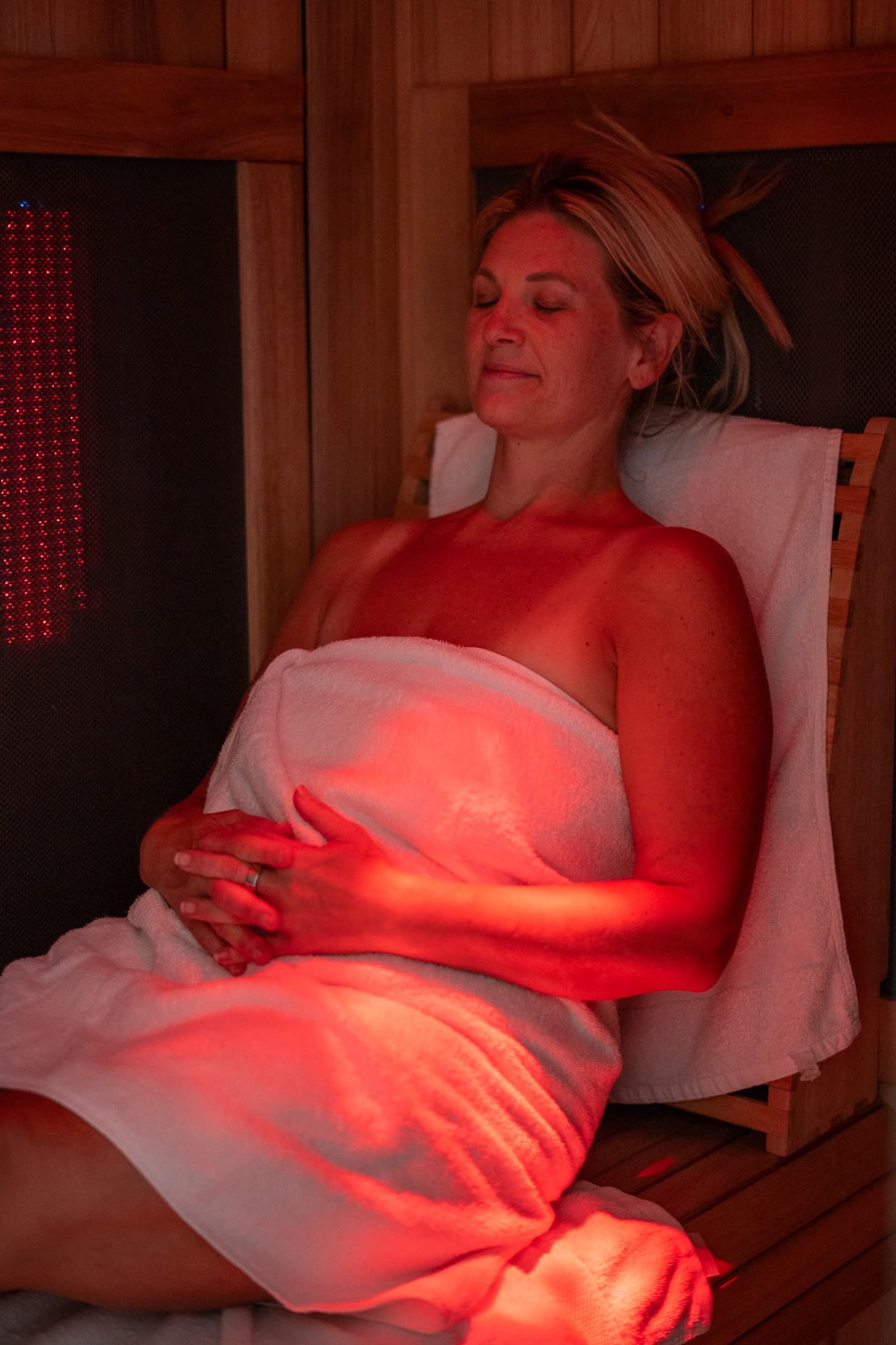
Because skin reflects the systems beneath it, aesthetic results are more durable when those systems are supported. Hydration and nutrition show up in skin quality. Hormonal shifts change how skin behaves. Inflammation ages it. Even recovery tools play a role, which is why supportive modalities like infrared and red light therapy are often used around aesthetic work to aid skin recovery and quality.
Treating skin in isolation can still produce good surface results. Treating it as one expression of overall health tends to produce results that last longer and need less chasing, because you are not fighting the body on the inside while improving it on the outside.
Who is medical aesthetics for, and what should you be cautious about?
It suits anyone who wants to care for their skin thoughtfully, whether that is addressing sun damage and texture, softening the first signs of aging, or simply maintaining healthy skin over time. There is no single right age or concern; the right starting point is an honest assessment of your skin and your goals.
The cautions are mostly about who is doing the work and how aggressively. Powerful treatments carry real risks when performed without proper training or on skin that was not properly assessed, and some skin types and conditions need specific expertise, particularly with lasers. Pregnancy, certain skin conditions, and some medications change what is appropriate. The sensible move is a consultation with a qualified professional who assesses before recommending, rather than booking a treatment off a price list. If something about a plan feels rushed or one-size-fits-all, that is a reason to slow down.
Where can I get medical aesthetics in Nashville?
Nashville has no shortage of med spas and aesthetic providers, and quality varies widely, from expert medical practices to places where the marketing outpaces the training. The things worth checking are consistent: who performs and oversees the treatments, whether you get a real assessment first, and whether the approach treats your skin as part of your health rather than a standalone purchase.
Next Health Nashville delivers aesthetic care through its Next Beauty offering at both of its locations, The Gulch (616 8th Ave South) and Green Hills (3710 Hillsboro Pike), performed by medical aesthetic professionals and set within a whole-health approach, so skin is treated alongside the systems that shape it rather than in isolation. You can read more on the aesthetics and skin page, and the booking box below has both locations and phone numbers.
Wherever you go, the questions that matter are about standard and judgment: Who is actually doing the treatment, and are they qualified for it? Is anyone assessing your skin before recommending a plan? And does the approach account for your health, or just your appearance? Skin that looks well because it is well is the result worth holding out for.