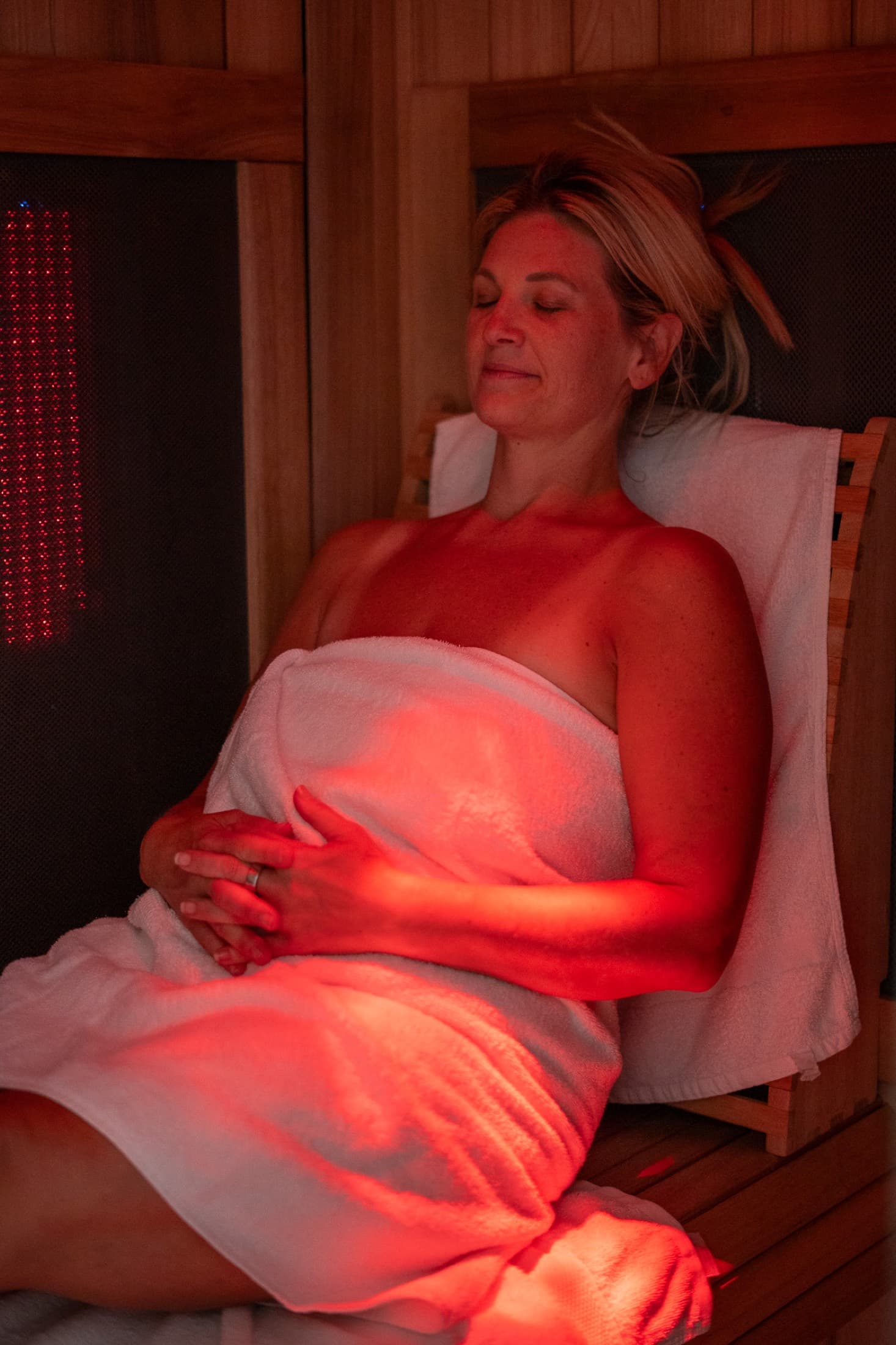
Where to sweat deliberately in Nashville — infrared cabins, traditional saunas, and the difference in what each is actually doing to the body.
There is a difference between sweating and sweating on purpose. Nashville, over the last few years, has quietly built a real map for the second kind.
Heat exposure has some of the strongest and longest-running evidence in longevity research. Regular sauna use is associated with lower cardiovascular mortality, better endothelial function, improved sleep, and — subjectively — one of the most reliably pleasant recovery practices available. Which is unusual. Most things in longevity research ask something uncomfortable of you. Heat mostly asks you to sit still.
This is a field guide to where the practice lives in Nashville right now.
Infrared versus traditional — what the difference is
Before the map, the honest technical answer.
Traditional saunas heat the air, which then heats you. Finnish practice sits in the 170–200°F range. The cardiovascular stress is significant: heart rate climbs, sweat is heavy, sessions run 15–20 minutes. The bulk of the sauna longevity research — the Finnish cohort studies, the cardiovascular endpoints — was done in traditional saunas.
Infrared saunas use radiant heat that penetrates skin more directly, at lower ambient air temperatures — usually 120–150°F. The felt intensity is different: you sweat, sometimes heavily, but the room does not feel as oppressively hot. Session lengths tend to run longer, 30–45 minutes.
Which is better depends on what you are after. Traditional is closer to the studied dose-response. Infrared is more comfortable and more practical to make into a regular habit, and comfort is the variable that decides whether you actually do it three times a week for a decade.
The Nations
Urban Sweat is one of the earlier dedicated sweat studios in Nashville, and the mix is clear: infrared cabins are the anchor, with contrast rooms and a clientele who treats sweat as part of a training rhythm, not a treat. If you are already lifting or running seriously, this is a natural fit.
East Nashville
Lolu builds contrast therapy — sauna into plunge and back — into the layout of the studio itself. The heat sessions are considered, not decorative. This is a good room for people who want the sauna to be part of a real practice rather than a wellness setpiece.
Broader Nashville
Lotus Room takes infrared and bodywork seriously. Their point of view treats heat as a longevity practice, not a spa novelty — and it shows in how the sessions are paced.
Pure Sweat operates private infrared cabins across several locations. Useful if you want quiet solo time and a schedule you can drop into.
Stat Wellness offers infrared alongside a broader menu of clinical services — worth knowing for people already using them for other things.
A note on dose
If you are new to deliberate heat, the practice-changing threshold is smaller than you'd guess.
The Finnish cohort data suggested the mortality benefits started appearing at about four sessions per week of 20 minutes each. Most people cannot hold that pace forever. Two to three sessions a week, held for years, is more sustainable — and probably captures most of the benefit for most people.
Hydrate before, not just after. Sit for a real block of time, not a token five minutes. Cool down properly on the other side. And, as always, if you have cardiac considerations or you're pregnant, this is a doctor conversation before it is a sauna conversation.
Nashville, right now, has more thoughtful heat rooms than a city its size usually does. The map above is the one people who take the practice seriously actually use.